BIG CONCEPTS
why this story now for this audience?
Every story begins with this question. I think it’s time for more High Strange. People are drawn to mysteries in difficult times as their brains try to find connections and predictability in a world oversaturated with awfulness and confusion.
Instead of making connections, i think art should reinforce the act of struggling to make sense. Exercise our ability to deal with absurdity by building a story that’s intense, visceral, unpredictable, and overwhelming.
This is a story about power that tugs at the stress and anxiety of having none. It lays out the tarot cards of our daily struggles with hope/hopelessness, fury, exhaustion and asks the audience to interpret the spread themselves.
ALSO - i want to build something with proficiency. How detailed, precise, fun, easy, and surprising can we make this? How good can we be as artists within the budget and logistical frames we have?
I want to do something wild and fulfilling and strange.
thoughts on a chamber epic
The Portrait is a big little show. Chamber Epic is a term that scratches the itch of what i feel this show can be. It’s not a sweeping, 100-person Broadway cast, but has that energy. It’s not a terse, three-hour Eugene O’Neill drama, but we can get there. It’s not a Robert Wilson opera, but could pass as a relative.
I go into detail here on what a chamber epic means to me, but the fundamental points are that it’s Proficient, Strange, and Full.
Proficient in how its performed and designed. Strange in how we use unexpected and unusual events, timing, shapes, and space. Full by the quantity and depth of detail.
DESIGN DRAMATURGY
TEMPORAL/HISTORICAL
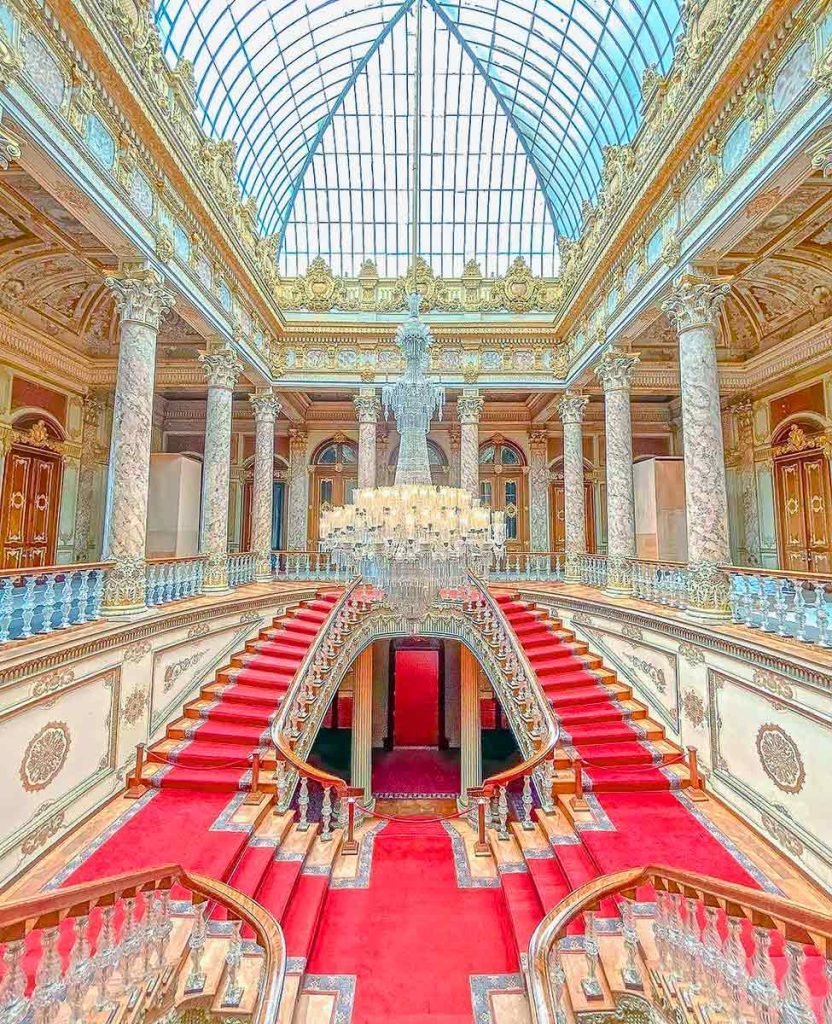
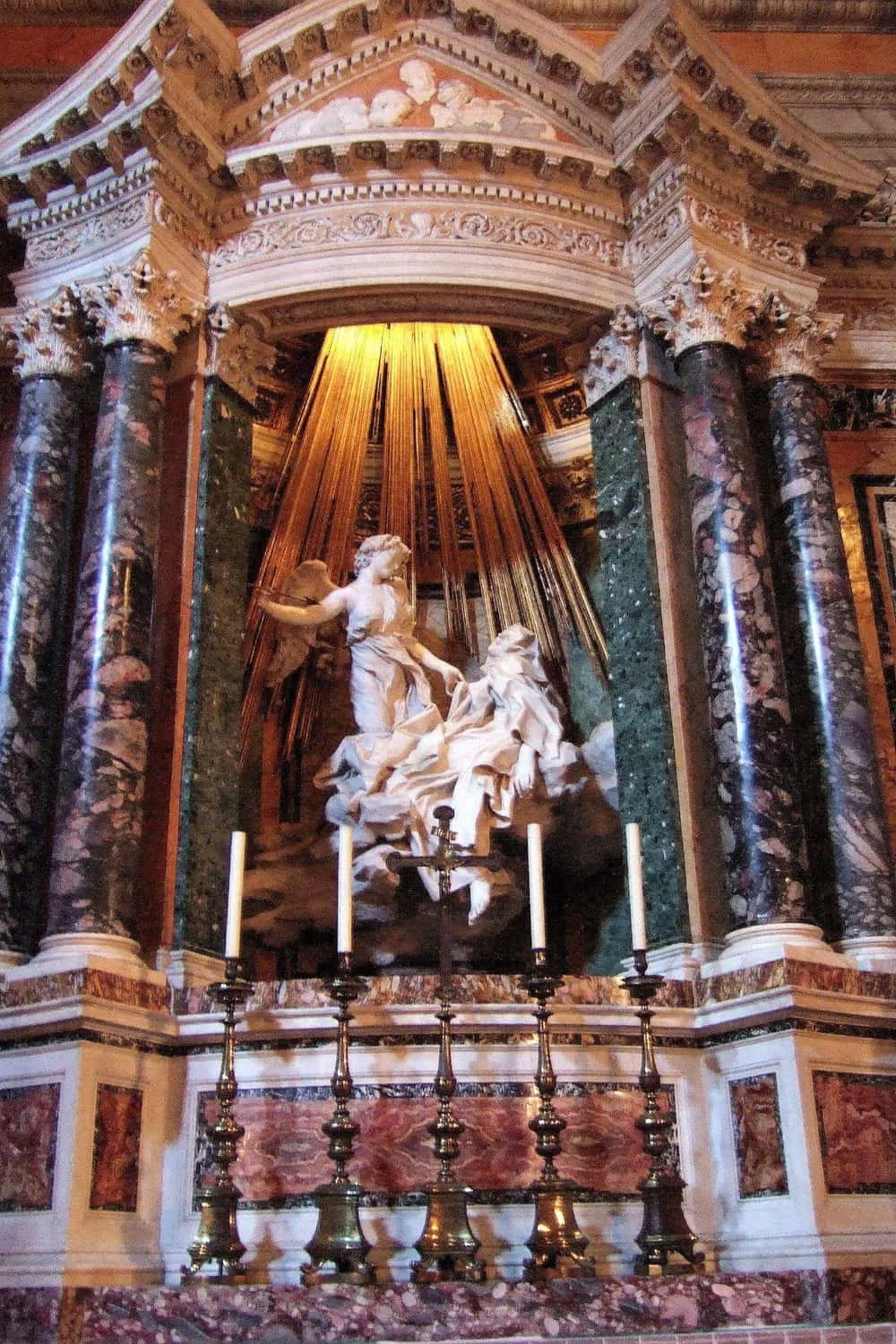
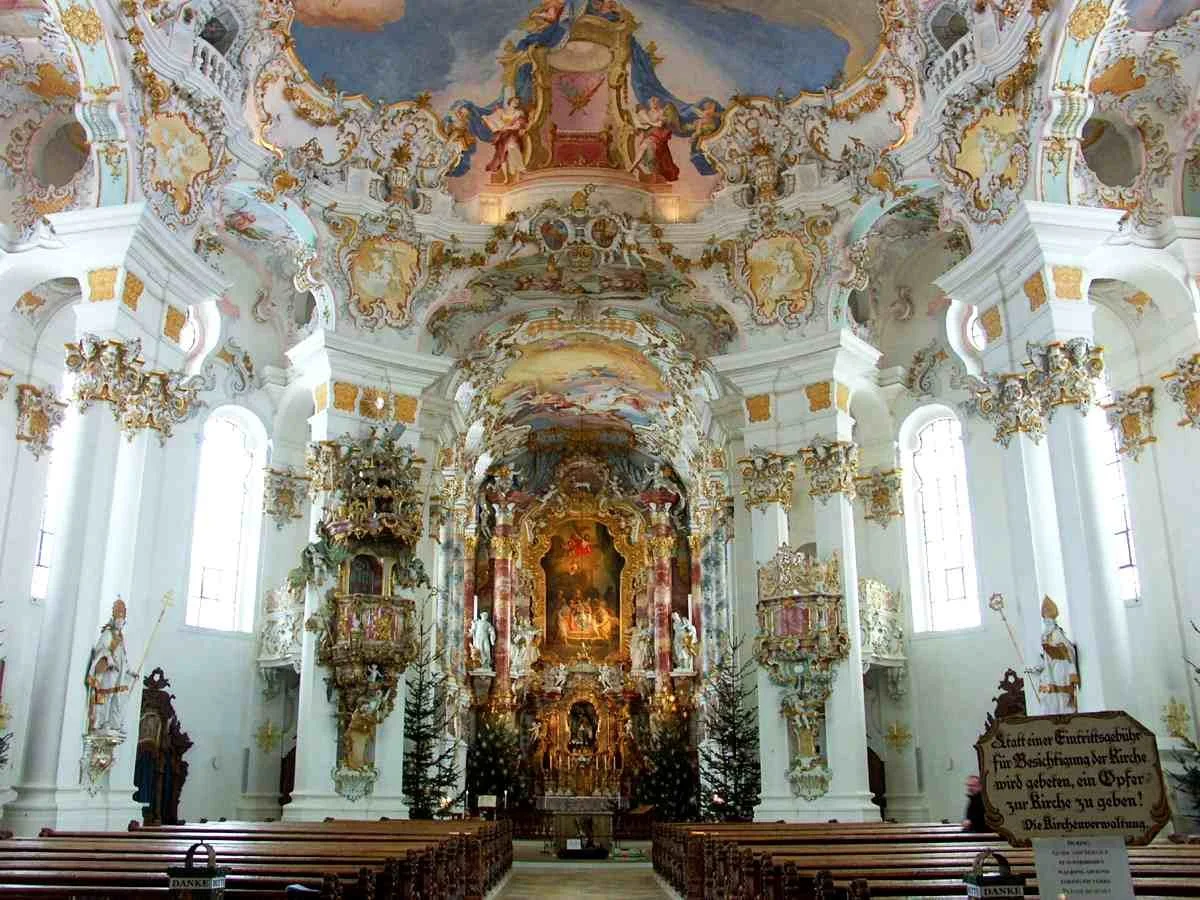
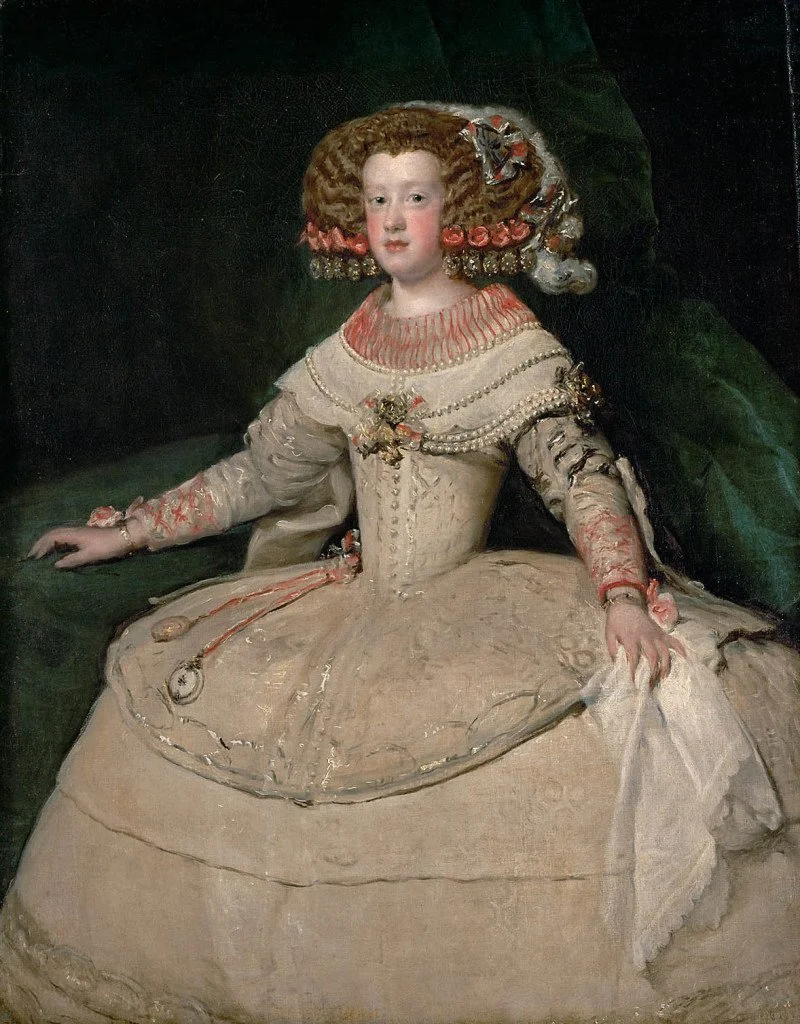
Our anchor will be 18th Century western Europe.
This is the era when European colonialization was at its apex, the God-ordained conquest of the savage lands had carved up the globe.
Style will be anchored in baroque ornament and costume, ornate, dripping, gilded and dramatic. The Lady is a fever dream of flaunted power. She is an apex predator of ostentatious excess.
SET/SPACE DESIGN
Venue will dictate much of what we can do, but a few guiding ideas should be:
Maximize the world the audience is in. We want to bring them into the world literally. i want them to be immersed as much as possible. Is this a fully-enclosed room? Is there a ceiling? How do they enter this world? They are participants to this story, they will be directly addressed and consciously ignored by the characters. There’s no fourth wall. Let’s pull them out of their day.
This is a tennis match. The “action” of the story is a conversation between the Lady and the Artist. The audience should be witness to this, so they should be on either side, making the other half of the audience part of the set.
The Lady is the source and purpose. Everything emanates from her. She radiates the entire space. All lines lead from her (not to her). This extends to props as well - everything comes from her. She is the center of this universe. Her costume is most of the set.
Minimal offstage needs. There will be times when we want to clear the servants off the stage, but not often. Do they also come from and return to the Lady?
Performers will need to take on the Lady’s power. There’s a scene that sees each of the servants vying for power. It’s written that they climb into her costume and actually replace her. Great if that’s possible, but there may be other ways to show that.
Venue will dictate lighting, but we will need some variation due to the basically stagnant stage picture. There’s also a dance party, a musical number, and a puppet show.
Everything is practical. We won’t have stage hands to change the environment. Change will be manipulated manually by the servants as much as possible.
There will be a band. Let’s plan for space to house three musicians.
COSTUMES
Though the Lady is resplendent, we’ll see the underpinnings of that flaunted power as well. The servants are kept in their status visually. When their status rises and falls, so do theirs costumes. They are the consumable “biomass of civilization,” cobbled together with scraps and waste from the upper class.
The artist is the bridge. Not authentically powerful, but allowed to have access to them. So he must put on a veneer that can easily be scratched away. He’s always at the risk of being knocked down, but has to hold his ground to value his profession. He literally gets stripped of his applied authority.
Though baroque and rococo will be the anchors, we’ll float freely through history throughout the show. Mix and match as inspired. Corsets and cellphones. Tunics and tennis shoes. Let’s be playful, but intentional with deploying details.
SOUNDSCAPE
Sound is practical. Effects and music will be live and visible to the audience.
OTHER SOURCE MATERIAL
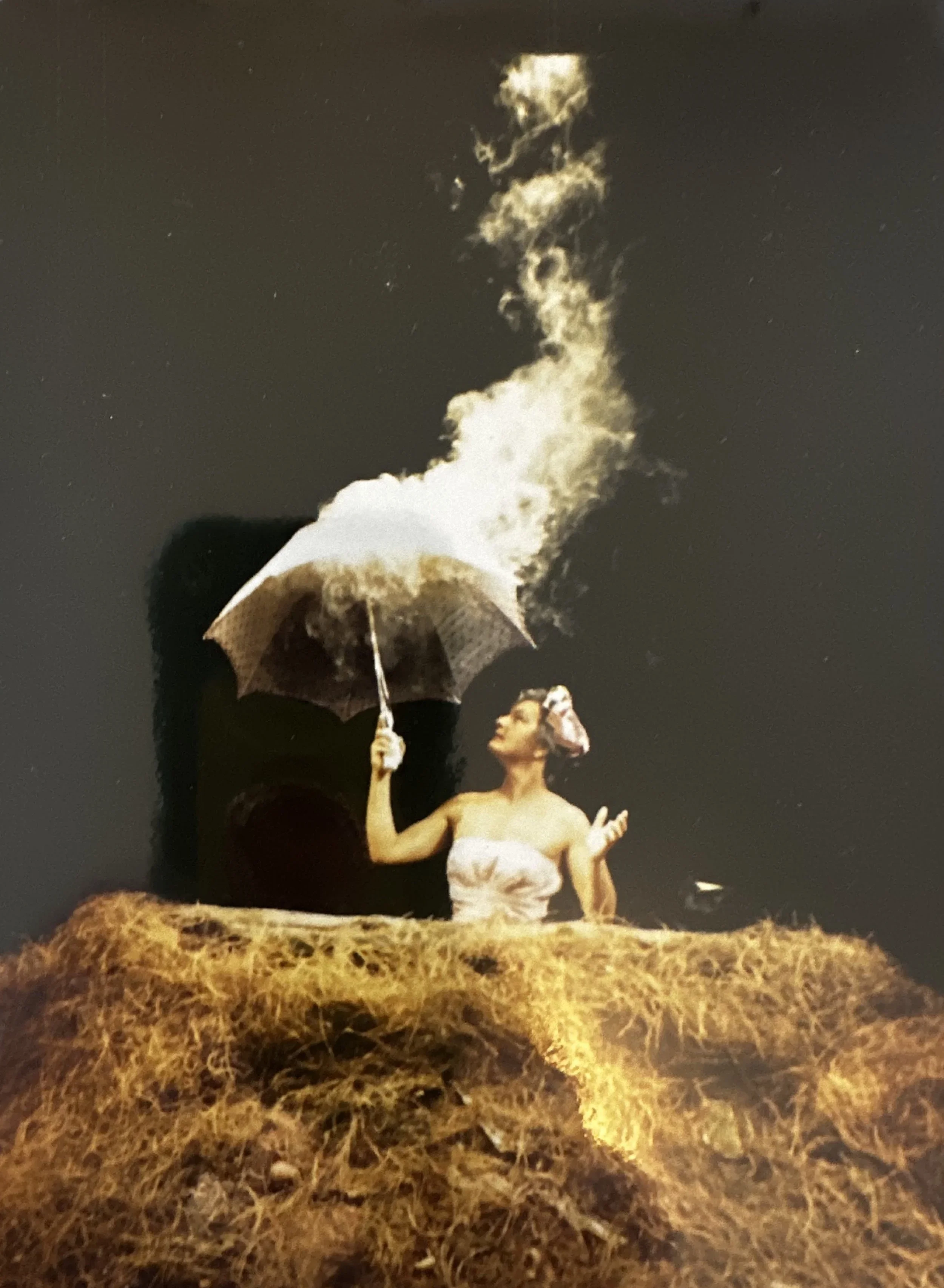
Happy Days by Samuel Beckett